








Gas, Hybrid or Electric? Understanding Your Powertrain Options at Fred Martin Superstore
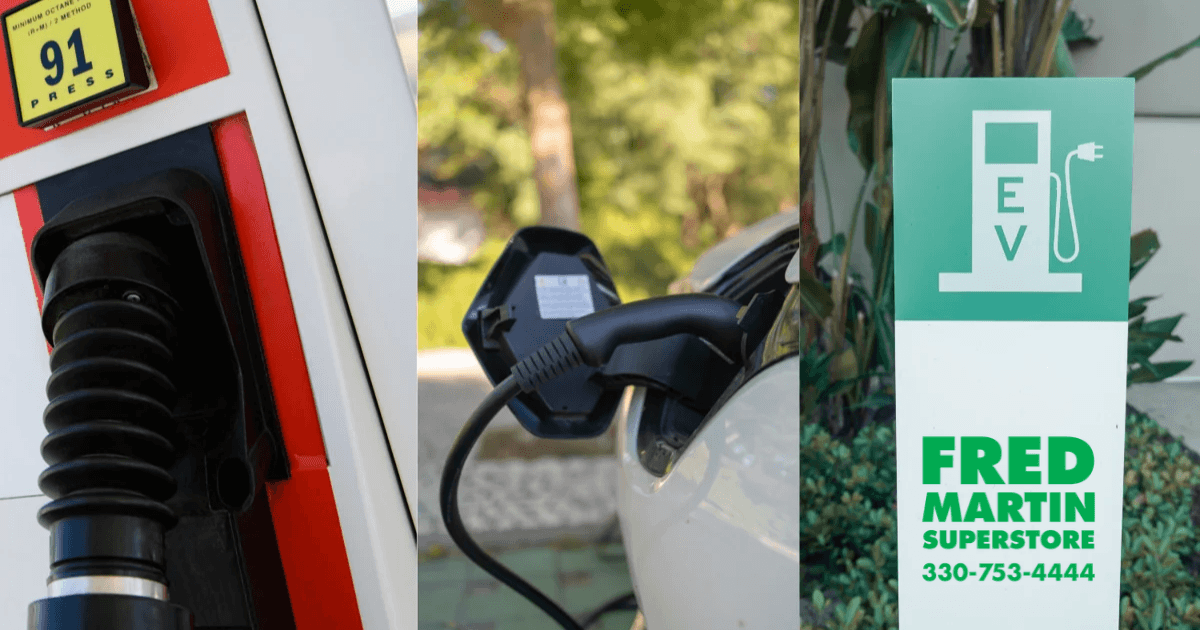
Shopping for a new vehicle involves more decisions than choosing a make, model, or color. One of the most important is deciding which type of powertrain best fits your lifestyle. Should you stick with a traditional gasoline engine, consider a hybrid, or make the switch to an all-electric vehicle?
For drivers in Northeast Ohio, the answer depends on several factors, including daily mileage, fuel costs, access to charging, winter driving conditions, and how you use your vehicle. The good news is that today’s drivers have more options than ever.
At Fred Martin Superstore, shoppers can explore vehicles from brands including Jeep, Ram, Dodge, and Chrysler. Understanding the differences between gasoline, hybrid, plug-in hybrid, and all-electric powertrains can help you narrow your choices and find a vehicle that works for your everyday needs.
Gas-Powered Vehicles: Familiar, Convenient and Versatile
Gasoline-powered vehicles remain a popular choice for drivers who want familiar operation, convenient refueling, and a wide selection of cars, SUVs, and trucks.
A traditional gasoline engine burns fuel to generate power that moves the vehicle. You refuel at a gas station when needed, and there’s no need to plug in or manage a battery-charging routine.
For many Northeast Ohio drivers, a gas-powered vehicle can be a practical fit for commuting, family transportation, road trips, and hauling equipment.
Benefits of Gas-Powered Vehicles
- Convenient refueling: Gas stations are widely available, making it easy to refuel during daily errands or longer trips.
- Broad vehicle selection: Gasoline powertrains are available across many vehicle types, including SUVs, performance vehicles, and pickup trucks.
- Familiar ownership: Drivers don’t need to plan charging stops or install home charging equipment.
- Towing and hauling options: Many gasoline-powered trucks and SUVs offer substantial capability, depending on the model and configuration.
For example, a Ram truck may be an excellent option for someone who regularly tows a trailer, transports tools, or needs a vehicle for demanding work. A gasoline-powered Jeep SUV may suit drivers who want traditional refueling convenience alongside available four-wheel-drive capability.
What Should You Consider?
Gas-powered vehicles require regular fuel purchases, and operating costs depend on fuel economy, local gasoline prices, mileage, and driving habits. They also require routine maintenance, including oil and filter changes.
If you drive long distances frequently or tow heavy loads, compare the specific vehicle’s fuel economy, towing capacity, and maintenance requirements before making a decision.
Hybrid Vehicles: Improved Efficiency Without Plugging In
A conventional hybrid combines a gasoline engine with an electric motor and battery. The vehicle automatically manages the two power sources to help improve efficiency.
Unlike a plug-in hybrid or fully electric vehicle, a conventional hybrid does not require external charging. The battery is replenished through the vehicle’s powertrain and regenerative braking.
This can make a hybrid appealing to drivers who want to reduce fuel consumption without changing how they refuel.
Benefits of Hybrid Vehicles
- Potential fuel savings: Hybrid systems can improve fuel economy, especially in certain stop-and-go driving conditions.
- No charging routine: You continue to use gasoline and don’t need to install a home charger.
- Automatic operation: The vehicle manages the gasoline engine and electric motor without requiring the driver to switch between them manually.
- Everyday convenience: Hybrids can be a practical choice for commuters, families, and drivers who want greater efficiency without changing their routines.
Hybrid technology is available in different forms, and the exact options depend on the model year and vehicle lineup. Some hybrids prioritize fuel efficiency, while others use electric motors to enhance performance.
Is a Hybrid Right for Northeast Ohio?
A hybrid may be worth considering if your daily routine includes commuting, suburban driving, school drop-offs, and frequent stops.
However, cold weather can affect hybrid fuel economy, just as it can affect gasoline-powered vehicles. Compare official fuel-economy estimates for the specific vehicles you’re considering, and remember that your actual results will vary.
If you want improved efficiency but aren’t ready to plan around charging, a conventional hybrid could offer a useful middle ground.
Plug-In Hybrid Vehicles: Electric Driving With Gasoline Backup
A plug-in hybrid electric vehicle, often called a PHEV, combines a gasoline engine with an electric motor and a larger battery that can be recharged using an external power source.
Depending on the vehicle, a plug-in hybrid can travel a certain distance using electric power before relying more heavily on its gasoline powertrain. The gasoline engine provides additional flexibility for longer trips.
Unlike a conventional hybrid, a plug-in hybrid benefits from regular charging. Drivers who can charge at home or work may be able to complete many shorter trips using electric power, depending on the vehicle’s electric range and driving conditions.
Benefits of Plug-In Hybrids
- Electric driving for shorter trips: Many models can handle some daily driving without using gasoline, provided the battery has sufficient charge.
- Gasoline flexibility: Longer trips don’t necessarily require finding charging stations because the vehicle also has a gasoline engine.
- Reduced gasoline use: Frequent charging can help reduce gasoline consumption.
- Flexible ownership: A plug-in hybrid can suit drivers who want to explore electric driving without relying entirely on charging infrastructure.
Plug-in hybrids can be a good fit for drivers with predictable daily commutes and access to charging. If you rarely charge the vehicle, however, you may not realize as much of the potential fuel savings.
Availability varies by brand and model year, so check which plug-in hybrid options are currently offered before choosing a vehicle.
All-Electric Vehicles: Driving Without Gasoline
An all-electric vehicle, or EV, uses an electric motor powered by a rechargeable battery. It doesn’t have a gasoline engine and doesn’t require gasoline to operate.
Instead, you charge the battery using compatible home or public charging equipment. Many EV owners charge at home overnight, while public charging stations can help support longer journeys.
Electric vehicles may appeal to drivers who want to avoid gasoline purchases and experience the smooth, quiet acceleration of electric-motor driving.
Benefits of All-Electric Vehicles
- No gasoline required: The vehicle operates on electricity rather than gasoline.
- Quiet, responsive performance: Electric motors can deliver torque quickly, providing smooth acceleration.
- Convenient home charging: Drivers with suitable home charging access may begin many days with a charged battery.
- Fewer routine maintenance items: EVs don’t require engine oil changes and generally have fewer moving powertrain components, although tires, brakes, fluids, and other systems still require maintenance.
What About EV Ownership in Ohio?
Before choosing an EV, consider your typical driving distance, access to home or workplace charging, and the availability of charging stations along your regular routes.
Cold temperatures can reduce battery range and increase energy consumption. Cabin heating, highway speeds, and battery conditioning can also affect how far an EV travels on a charge.
For drivers who regularly travel long distances in winter, planning around charging availability is particularly important. An EV may still work well for your lifestyle, but the right choice depends on your routine and the vehicle’s real-world range.
It’s also important to remember that electricity isn’t automatically cheaper than gasoline in every situation. Your savings will depend on electricity rates, charging location, vehicle efficiency, and local fuel prices.
Gas vs. Hybrid vs. Plug-In Hybrid vs. Electric: What’s the Difference?
Here’s a quick comparison to help you understand the main differences.
| Feature | Gasoline | Conventional hybrid | Plug-in hybrid | All-electric |
| Uses gasoline | Yes | Yes | Yes | No |
| External charging required | No | No | For electric-driving benefits | Yes |
| Electric-only driving | No | Limited, depending on system | Yes, within available battery range | Yes |
| Refueling or charging | Gas station | Gas station | Gas station and charging | Charging |
| Best fit may include | Drivers wanting familiar refueling | Drivers wanting better fuel efficiency without plugging in | Drivers who can charge regularly but want gasoline flexibility | Drivers with suitable charging access and predictable range needs |
Each powertrain has advantages. The best choice depends on your budget, driving habits, charging access, and vehicle requirements rather than simply choosing the newest technology.
Which Powertrain Is Best for Your Driving Habits?
If you’re unsure which option makes sense, start by considering how you use your vehicle.
If You Drive Long Distances Regularly
A gasoline vehicle or conventional hybrid may be a good fit if you frequently travel between cities, take road trips, or want the convenience of refueling quickly. An EV can also work for long-distance travel, but charging stops and winter range should factor into your planning.
If Most of Your Driving Is Around Town
A conventional hybrid may help reduce fuel consumption during certain types of city and suburban driving. An EV may also be worth considering if your daily mileage is predictable and you have convenient charging access.
If You Need a Truck for Work or Recreation
Your towing, payload, and hauling requirements should guide your decision. A gasoline-powered Ram truck may offer the capability you need, while other powertrain choices may be appropriate for different use cases. Always compare the specific model’s ratings and equipment before purchasing.
If You Want to Reduce Gasoline Use Without Giving Up Flexibility
A conventional hybrid or plug-in hybrid may offer a useful compromise. A conventional hybrid doesn’t require charging, while a plug-in hybrid can provide electric driving for shorter trips when its battery is charged.
If You Can Charge at Home
An EV may be worth exploring if you have suitable home charging access, drive within a manageable daily range, and want to eliminate gasoline purchases. Check charging installation costs, utility rates, and your winter driving needs before deciding.
Don’t Forget About Winter Driving and Maintenance
For Northeast Ohio drivers, powertrain choice is only one part of the equation. Winter conditions, tires, drivetrain availability, and vehicle capability are also important.
A gasoline vehicle, hybrid, plug-in hybrid, or EV may be available with front-wheel drive, all-wheel drive, or four-wheel drive, depending on the model. These systems can help manage traction, but none eliminates the risk of slipping on ice or snow.
Cold weather can also affect fuel economy and battery performance. Follow the manufacturer’s recommendations for winter maintenance, tire pressure, and battery care.
Finally, compare the total cost of ownership—not just the purchase price or advertised fuel economy. Insurance, maintenance, fuel or electricity, charging equipment, and your expected ownership period can all affect the overall cost.
Explore Your Options at Fred Martin Superstore
Choosing between gas, hybrid, plug-in hybrid, and electric powertrains doesn’t have to be overwhelming. Once you understand how each option works, you can focus on finding a vehicle that fits your lifestyle.
At Fred Martin Superstore, our team can help you explore available Jeep, Ram, Dodge, and Chrysler vehicles, compare features, and review which powertrain options are offered on the models you’re considering.
Whether you need a capable truck for work, a family-friendly SUV for Ohio winters, or a more efficient vehicle for your commute, we’re here to help you make an informed decision.
Ready to find the right vehicle for your lifestyle? Visit Fred Martin Superstore to explore our inventory and talk with our team about the powertrain options that best fit your needs.
Fred Martin Superstore
3195 Barber Rd
Norton, OH 44203
(330) 753-4444
www.fredmartinsuperstore.com
0 comment(s) so far on Gas, Hybrid or Electric? Understanding Your Powertrain Options at Fred Martin Superstore